
THE PROBLEM
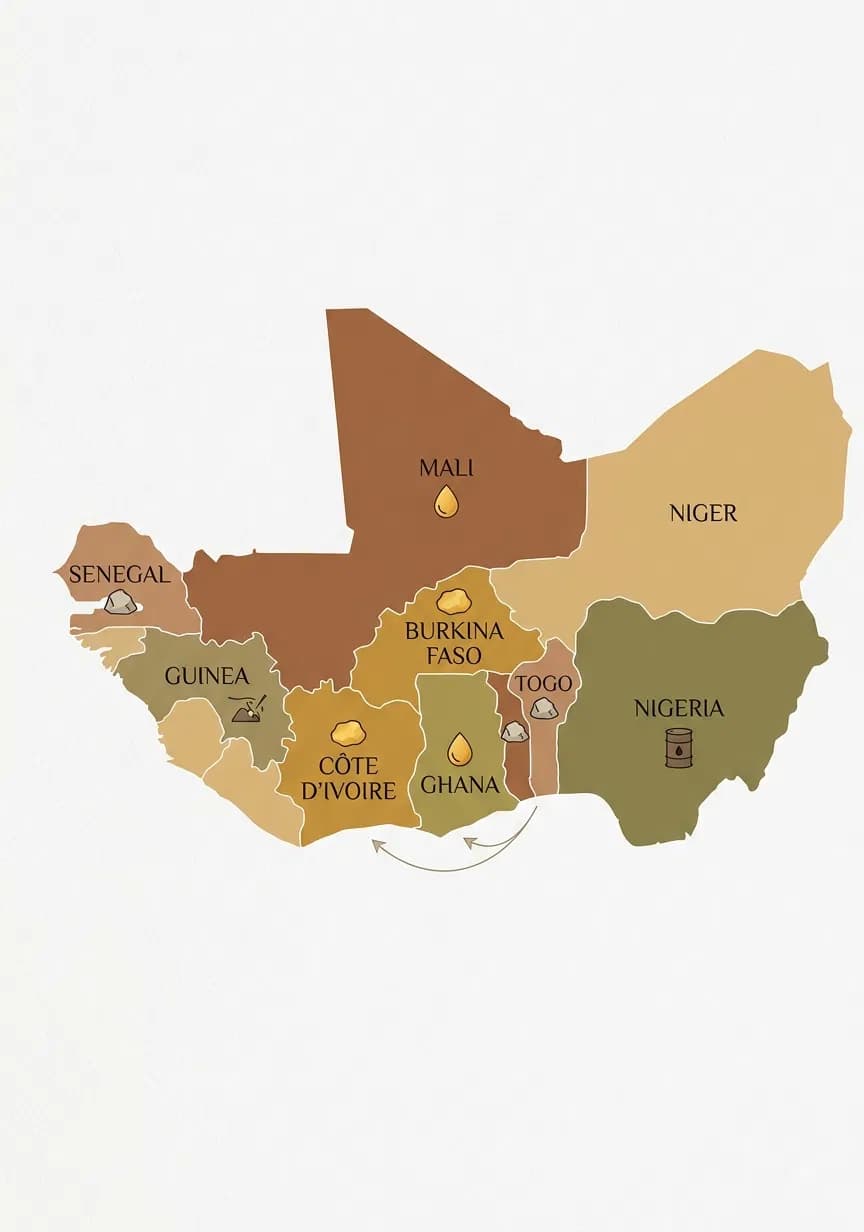
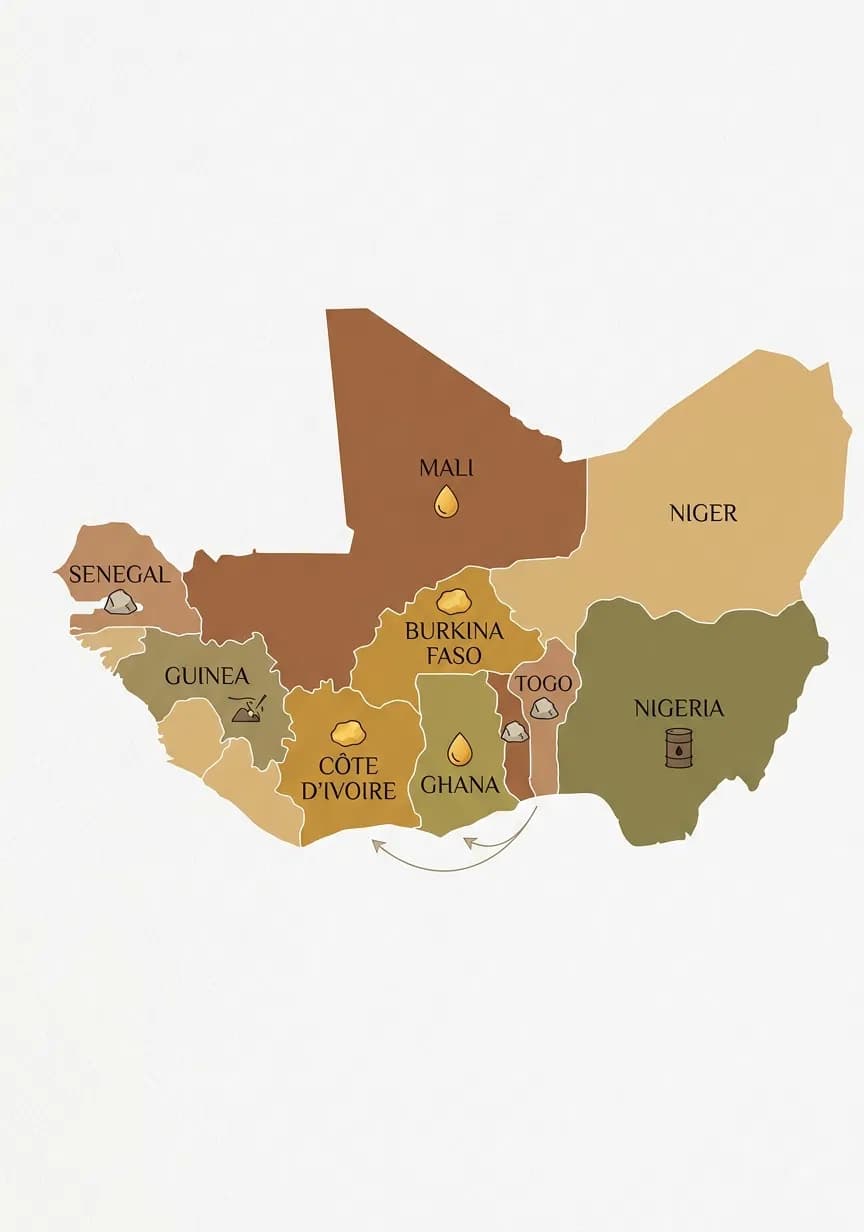
The coastal Sahel northern Togo, northern Benin, northern Ghana, border areas of Burkina Faso has experienced an intensification of conflicts between farmers and transhumant herders over the past two decades. These conflicts are not the product of long-standing cultural hostility. They result from the convergence of three simultaneous dynamics: the advance of desertification reducing available grazing areas and pushing herds southward, the narrowing of transhumance corridors under the pressure of expanding agricultural frontiers, and the collapse of traditional inter-community regulation mechanisms that historically managed these tensions. The result is growing precarity on both sides. Farmers see their crops destroyed, their land contested, their output reduced. Nomadic and transhumant herders lose access to pastoral resources with no alternatives available. This dual precarity translates into local food insecurity and rising staple food prices for the most vulnerable households.
The responses deployed so far sedentarisation, administrative delimitation of corridors, passage prohibitions have broadly failed because they treat pastoral mobility as a problem to be eliminated rather than a reality to be organised.
THE DIAGNOSIS
Three structural errors characterise current pastoral policies in the coastal Sahel. The first is confusing mobility with disorder. Transhumance is a rational response to the ecological variability of arid and semi-arid zones. Settling herders without attempting to address the underlying ecological conditions amounts to stripping them of their primary adaptation tool. The sedentarisation experiments conducted across the region since the 1960s have demonstrated this repeatedly.
The second is the absence of a fiscal mechanism integrating transhumant herders into the economy of the territories they cross. A herder in transit contributes nothing to local resources, enjoys no recognised rights, and therefore has no incentive to respect the rules of the space they move through. Fiscal invisibility produces legal invisibility.
The third is the absence of reception infrastructure along transhumance axes. Corridors exist on administrative maps but not in practice: no developed water points, no secured grazing areas, no spaces for exchange between herders and farming communities. Transhumance therefore unfolds in an institutional void that makes conflict almost inevitable.
THE PROPOSAL: ORGANISED PASTORAL STOPS
This policy brief proposes the creation of organised pastoral stops territorialised infrastructures positioned along the actual transhumance axes of the coastal Sahel, designed not to halt herders but to structure their passage. The model draws on two converging historical logics. The first is the village specialisation of pre-colonial West African societies, where each community blacksmiths, weavers, griots occupied a recognised function with attached rights and obligations, sometimes within delimited territories where each group held its ground. The second is the trading post as a point of transit, exchange and organised taxation. The pastoral stop is in essence a pastoral caravanserai adapted to the contemporary realities of the coastal Sahel. Each stop comprises four components.
A developed grazing area with fodder gardens and plantations of locally adapted fodder tree species, sized to absorb variable herd flows without degrading vegetation cover. A water supply system with permanent water points boreholes and developed ponds accessible to both animals and herders.
A registration and taxation counter where herders pay a flat-rate passage fee in exchange for recognition of their legal presence on the territory and access to the stop’s services. This fee constitutes a local resource allocated to infrastructure maintenance.
An economic exchange space where herders can sell or trade animals and purchase food products, and where farmers and artisans from neighbouring communities can offer their goods. Agricultural surpluses approaching spoilage can be sold at minimal cost to herders vegetables in particular with the remainder serving as compost for the grazing areas. This space transforms the stop into an economic node benefiting both communities.
GOVERNANCE
The pastoral stop must not be a state-managed infrastructure administered from outside. It must be governed by an intercommunity structure associating representatives of transhumant herders, representatives of local farming communities, customary authorities and the municipalities concerned. This structure collects fees, maintains equipment, arbitrates use conflicts and reports annually to stakeholders. The states concerned play a support role initial financing, legal framework, training but not direct management. The sustainability of the model rests on local ownership.
TOURISM POTENTIAL
In the coastal Sahel, the presence of pastoral communities, moving herds, fodder gardens and water points constitutes a rare cultural and ecological landscape. A well-developed stop can be integrated into a rural tourism circuit valorising pastoral knowledge, intercommunity exchanges and local biodiversity. This tourism dimension constitutes a complementary revenue source for stop governance and a lever for the positive valorisation of transhumant herders in the eyes of sedentary communities.
RECOMMENDATIONS
Three operational recommendations addressed to the governments of Togo, Benin and Ghana. First, conduct a participatory mapping of actual transhumance axes in the border zones of the coastal Sahel, involving herder organisations and farming communities, to identify priority sites for stop establishment. Second, adopt a legal framework recognising pastoral stops as intercommunity public interest infrastructure, with secured land tenure status and an adapted fiscal regime for passage fees.
Third, mobilise regional financing mechanisms ECOWAS, WAEMU, Green Climate Fund for initial infrastructure financing, conditional on the establishment of operational intercommunity governance structures. Agropastoral conflicts in the coastal Sahel are not a climatic inevitability. They are the symptom of an institutional void that current policies have failed to fill. Organised pastoral stops propose to transform this void into an opportunity: organising mobility rather than suppressing it, integrating herders into the economy of the territories they cross rather than excluding them from it, and creating coexistence infrastructures that benefit all communities concerned. This is a response commensurate with the complexity of the problem.

Commenter
Les commentaires sont examinés avant publication.