
For the first time in more than fifty years, an Africa–France summit is being held in an English-speaking country. The symbolism is significant. The substance, however, remains to be proven.
Macron’s speech is built around an explicit break with the past. The era of the traditional Francophone sphere of influence is over; in its place comes a partnership of equals with a young, dynamic, and strategic continent. The change in tone is notable. Yet the delegation accompanying the French President : CMA CGM, TotalEnergies, Accor, and Danone serves as a reminder that the underlying economic interests have not fundamentally changed in nature.
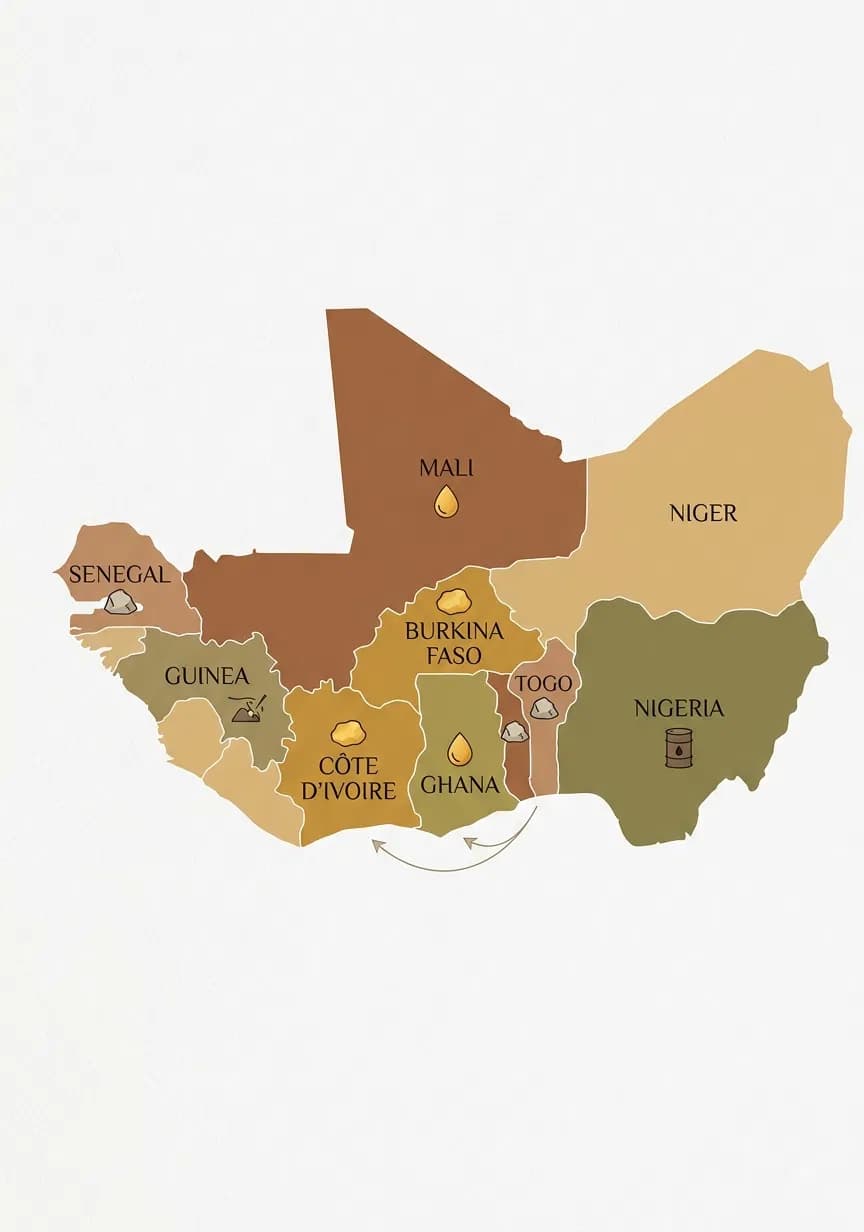
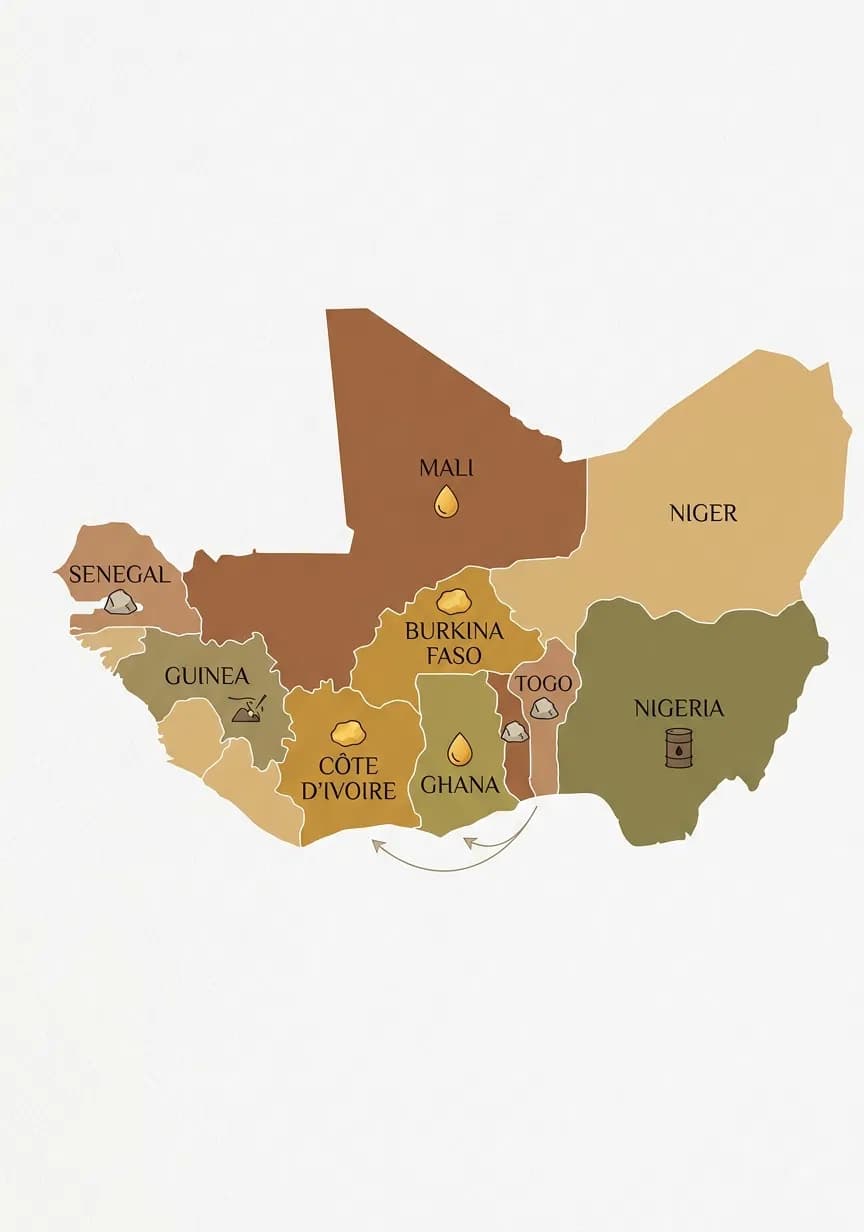
This repositioning takes place within a context of forced geopolitical adjustment. The military transitions in Mali, Burkina Faso, and Niger accelerated the withdrawal of French troops and fueled criticism of Paris that extends well beyond the Sahel. In this context, the gradual retreat of French companies has weakened France’s traditional levers of influence across the continent.
The choice of Nairobi follows a logic of geographical repositioning. East Africa offers a less historically burdened environment, a dynamic economy, and partners with whom Paris has no major disputes to manage. William Ruto, host of the summit and Africa’s representative at the G7 summit in Évian in June, embodies this new geography of influence that France is seeking to build.
This strategy of establishing economic footholds is part of a broader international competition. China, Turkey, the United Arab Emirates, and India each power is repositioning itself on a continent whose demographic weight, natural resources, and digital potential make it one of the major geopolitical arenas of the coming decades. France is attempting to replace military instruments, which have lost much of their legitimacy, with economic ones.
It is on the issue of Pan-Africanism that Macron’s speech raised the most substantial questions. Historical Pan-Africanism that of Nkrumah, Sankara, and Sékou Touré was built around projects of economic and political emancipation: a common currency, food sovereignty, and the local industrialization of raw materials. The extent to which the framework proposed in Nairobi aligns with these structural aspirations remains an open question.
Africa Forward undeniably marks a shift in France’s diplomatic approach to Africa. While the change in rhetoric is real, questions remain regarding its concrete translation into economic and political relations. Anglophone Africa, which observes this repositioning with a certain distance, may offer a different perspective from that of Francophone Africa on the true significance of this evolution.
Changing the stage does not change the play being performed. And that is precisely what the coming years will allow us to assess.

Commenter
Les commentaires sont examinés avant publication.